Wednesday, May 30, 2012

Companion Poultry

In my latest post at Community Chickens, I discuss different relationships between farm animals and how those relationships can be beneficial to the overall balance of the farm. Read Companion Poultry to learn more!

Tuesday, May 22, 2012

The Bees are Capping Honey

We're nearing the end of the honeysuckle bloom. The bushes are loosing their fragrance and the pale yellow flowers are starting to wilt and fall to the ground. The blossom of these bushes really kicked the bees into full honey production. When we first brought them home, I noticed an increase in bees on the few flowers that early spring boasts: the dandelions, wild strawberries and wild violets.

But the bees were still draining the mason jar of simple syrup that we provided for them each day. We feed them to supplement their food supply until they can produce enough honey to support themselves.

Once the honeysuckle went into bloom, the bushes were loaded with buzzing pollinators, and the syrup jar remained full. Zach and I decided it was time to open the hive and see how things were going.

We were pleasantly surprised to see that almost 5 frames were full of honey and capped.

This is significant for a few reasons. The first being that the bees are foraging enough to feed themselves, which means we have a strong hive.

It also means that they are producing fast! Bees don't produce honey immediately. They collect nectar and deposit it into the comb cavities and let it dehydrate to a 17% sugar solution.

At this time, the solution is concentrated enough to not go rancid, and becomes honey. I find it interesting because maple sap becomes maple syrup at the exact same ratio.

The bees then cap the cell with wax and it acts as a mini mason jar of honey ready for them when they need to tap into their supplies, mainly rainy spells and of course, winter.

At this point, none of this honey will be for our consumption. We are letting the bees create their storage. Once they have two large supers filed for themselves, we can take anything that they produce on top of that.

Some wayward comb building
We must check the bees often to see how they are progressing across the frames. We want to make sure that they're not out growing the first box that they have now, but we don't want to put too many boxes and frames on at once because this stresses the bees to keep a constant temperature in the hive.

The dark cells on this frame are full of pollen
Until the new bees start "hatching" the original 10,000 bees we brought home are responsible for the hive, We can't expand them too soon.
 

Monday, May 21, 2012

A Coop Story Giveaway!
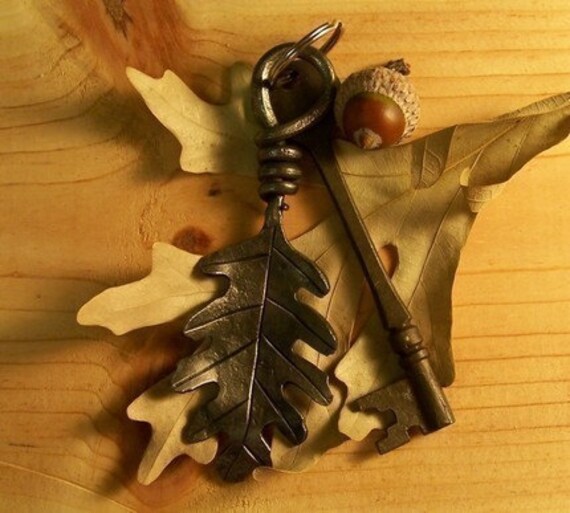
Check out my latest Community Chickens post A Coop Story Giveaway! for a chance to win one of Zach's hand forged Oak Leaf Key Chains, and a feature story about your coop on the Community Chickens website! You can find the form at the top of this page, or by clicking here. Can't wait to hear all your stories!!!

Friday, May 18, 2012

Plowin' ...The Four Tractors and an Army Truck Technique

Today I'd like to share a new method of plowing that I'm sure some of our readers are not familiar with. It's a new technique that requires four separate tractors and a 6 x 6 army truck thrown in for good measure.

It started off as an exciting day. Plowing day! Tilling the soil is somehow inherently human and just feels right. We were feeling so blessed as we hitched the plow to our Alis Chalmers tractor. Our neighbor loaned us his plow and disk harrow so we could start our cornfield and pumpkin patch. Nostalgia and sentiments warmed our hearts as our farming adventure took another leap forward in this monumental new milestone.

After a couple of satisfying swipes, the double bottom 18" blades sliced clean through the soil and flipped the black earth to the sun. A couple little hick-ups here and there, but what the heck, it's our first time...things were going great!

And then suddenly Zach decided to make a large sweep with the tractor to get the plow lines straight. "Oh no" I thought. I knew it was marshy over there, I had seen a pair of mallard ducks land there just the day before, and heard them splashing around. I felt myself running toward the tractor in slow motion, hollering "Wait! Don't go so far." But it was too late, and the roar of the tractor drowned me out as the wheels sunk deep into the muck.

The difficult thing with our property is that the grass grows three feet tall everywhere so the marshy spots don't look any different from the dry spots. There's also a good 6 inches of dead grass from years past that creates this spongy almost boardwalk all over the property. So even if you walk the area before, the weight of a human won't always reveal the water that's hiding underneath. We're breaking virgin soil here and we never know what we'll find. 

Nothing to fear right? It's a tractor after all. Tractors don't get stuck. Well, they do in fact. Right to the frame they get stuck. So over came our trusty neighbor with his Ford tractor. This is the same neighbor that loaned us the equipment not an hour before. Side note: (At this point we're certain our neighbors think we're nuts. We hope that the idiotic entertainment we provide is fair enough trade for putting up with us. I'm certain that the "normal" people in our neighborhood make them self a cup of coffee in the morning and wait to watch the show at the yellow house.)

Anyway...we hooked up the chain, with hope in our hearts, surely another tractor could pull Alice out. After much configuring, miscellaneous tie straps, chains and five different positions...the Ford couldn't budge her. We hitched the plow to the Ford and at least got it out of the mud.

All hope was not lost. We called our friend Elliot, who just happens to have a 6 x 6, deuce and a half army truck, doesn't everybody? Surely 10 tires moving could pull out a tractor! Well...not if all ten tires also sink into the field.

At this point I was starting to pick out the types of flowers I would be planting in all the vehicles stuck in the backyard...I think petunias in the bed of the army truck and maybe some daisy's in the tractor shovel would look nice.

Luckily, Elliot also has a four wheel drive Kubota tractor, he promised to bring the next day. In the meantime, we hooked the plow to our Farmall H (Ruby) and finished the field. (more about this in a post coming soon)

In the end, a days worth of sunshine helped dry the field a bit and the Kubota got the army truck out. Then we used a longer chain and the army truck got the Alis Chalmers out, the Ford saved the plow, and the Farmall plowed on...

Thursday, May 17, 2012

Finding the Queen

Last week we were excited for Wednesday to roll around. Wednesday would mark a week from the day when we set the bees up in their new home. (to read more about bringing the bees home visit my post Iron Oak Farm's a Buzzing)
By this day, they would hopefully be established enough for us to disturb them and check the queen.
It was a nice sunny day, but cool, so the bees were fairly active. We went out, suited with our veils, smoker in tote and walked the long path to the edge of the woods.

Our hives reside between two honeysuckle bushes, on a small hill close to the tree line.

There's a shallow stream that runs not far from this spot where the bees can drink. It's important to have a water source near your hive.

This is not the first time we've opened the hive since setting it up. Two days after we set up the hive, we had to take just the lid off to see if the queen had been released from her excluder box, and indeed she had. We had placed some marshmallow fluff in the corked opening and if the bees accepted her they would eat the marshmallow and release her into the hive.
When we checked, the box was empty and we hoped that she was somewhere in the hive happily laying eggs. At this point it was too soon to disturb the frames to look for her. So we replaced the lid and hoped for the best until we could check again in a week.

A week passed and this time we could remove the frames and view the amazing world of the bees, check on their progress and find the queen to make sure she was alive. We were lucky to find her on the first frame.

Monday, May 14, 2012

Our Heritage Black Spanish Turkeys

Check out my latest Community Chickens Post, Our Heritage Black Spanish Turkeys to read about how we decided to raise a heritage turkey breed!

Tuesday, May 1, 2012

2nd Annual Iron Oak Farm Vegetable Contests!

I'm going to try to send out a reminder at the beginning of each month for everyone who's interested in the veggie contests we're planning on holding this year. Depending on how competitive you are, it might make a difference in your selection of plant varieties to grow this spring.

Last year we had so much fun with the pumpkin contest! So we will be holding that again. In addition, many of you wrote to me explaining that you would have liked to be a part of the contest, but didn't have the space available to grow a large pumpkin vine. So...we're going to do a tomato contest as well. Even apartment dwellers can grow a tomato vine.

The pumpkin rules are the same as last year. Take a photo of your pumpkin with a measuring tape around the circumference. Largest pumpkin wins! We will announce the winner on Halloween, October 31st!

Tomatoes we're going to do by weight. Take a photo of your tomato on the scale with the weight visible. I was thinking by September 1st.

I will get the entry forms up as the date gets closer, and will keep the contests updated on the blog and the Iron Oak Farm Facebook Page. Send entries to jenniferannmurphy@yahoo.com and I will post them for everyone to see. The winner will receive one of our hand forged items. I'm also looking into certificates so you can brag to your neighbors about your gigantic gardening endeavors! I'll keep you posted!

Don't forget, we always have the Facebook "like" contest going. For every 100 "likes" we give away a prize! Visit our Facebook page at http://www.facebook.com/IronOakFarm2
BlogCatalog